Medical Dismissal & Self Advocacy
The Cost of Symptom Dismissal on Your Cancer Journey
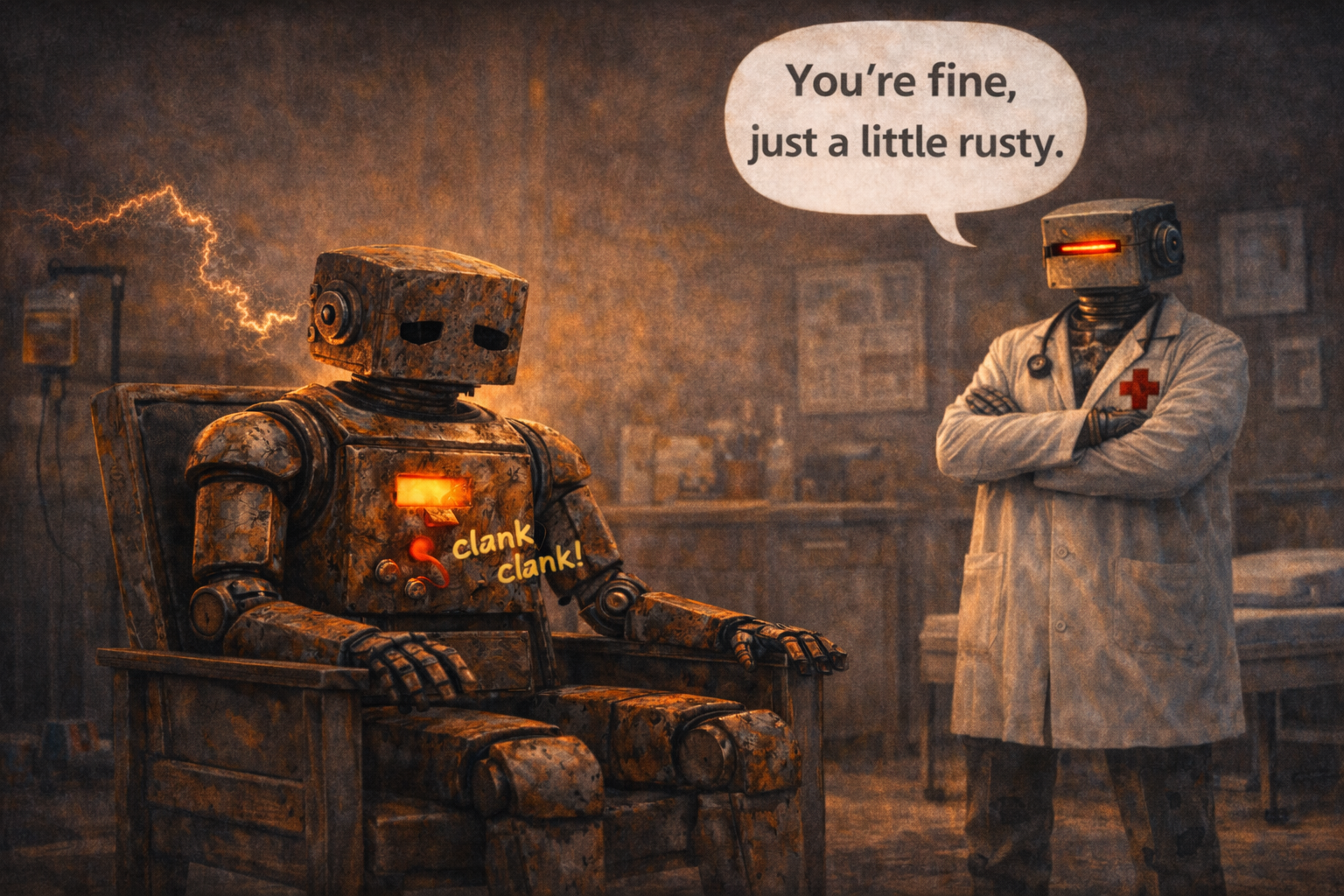
The Dismissal
“I’m going to send in another doctor to talk to you,”
The ER doctor said in an annoyed, rushed tone. His eyes were already shifting towards the door. I could tell he wanted to be anywhere but in my room.
For weeks, my heart had been racing. Not some random palpitations. I could feel and hear it. A whooshing sound in my ears. A bulging vein in the side of my neck. If I turned my head too quickly or bumped into something, a deep crushing pain would shoot through my chest, like someone was squeezing my heart and not letting go.
This was now my third ER visit. The third hospital in the area. Something felt off. But every time a doctor opened my chart and read “Long COVID,” I became “One of those patients.” I watched their body language change in real time. Their voice turned dismissive. Their patience thinned. As if they had better things to do.
A psychiatrist walked into my room next.
I already knew where this was heading. After a series of questions and establishing that I didn’t have any self-harming thoughts, He began explaining to me that some people were emotionally traumatized from the pandemic. That stress can manifest physically. That anxiety can create real symptoms.
I nodded. I’d heard this all before. I explained that I understood, but I had already been down this road. I had even been tested by several neurologists for Functional Neurological Disorder. Conversion disorder. The results. Negative.
This wasn’t anxiety or my brain misreading things. The chest pain was real. My other symptoms, the speech issues, the coordination and movement issues, the neurological and cognitive issues, real.
I wasn’t asking for medication. I was asking for answers.
He eventually agreed that I didn’t present with signs of psychiatric distress. His note in my medical file would later read: “Young male. Alert. Oriented. Memory Intact. Mood and affect are normal.”
He offered to write me a prescription for anxiety medication still. If I wanted it.
The ER doctor soon returned.
“The X-ray and tests ordered don’t show anything that would explain your symptoms. We’ve done everything we can. Since you're stable, I’ll have the nurse get your discharge papers. Please come back if anything worsens,” he finishes with a tight-lipped smile.
What a joke. What a waste of time.
Frustrated. Confused. Still in pain, I went home and slept upright in my leather chair. Lying flat seemed to bring on the chest pain, head pressure, and horrible headaches.
Two weeks later, I was back. Trouble breathing was added to the list of symptoms next to my heart pain.I was coughing up blood. This time, they ordered an MRI to check out my lungs.
My right lung had collapsed, and my left was filling with fluid. I had pneumonia. I was put on supplemental oxygen and admitted to the ICU. But there was something else.
A large tumor in the center of my chest. Growing in the mediastinum. The complex space between the heart and lungs, where major vessels and lymph nodes sit. The tumor had been growing, pushing on my heart and lungs. It was killing me.
When I asked how it had been missed after multiple ER visits and X-rays, the new doctors shifted uncomfortably.
They explained that mediastinal masses can blend into surrounding structures on a plain X-ray. But even they questioned why additional testing hadn’t been ordered, given the duration and severity of my symptoms.
It would later be classified as a late-stage, rare, aggressive form of lymphoma that had metastasized. I was now in a race against time.
I wondered how long this cancer had been growing. Was this the reason for all of the weird, unexplained symptoms I’d been experiencing since my COVID infection, while they kept telling me it was anxiety or Unexplained Long COVID?
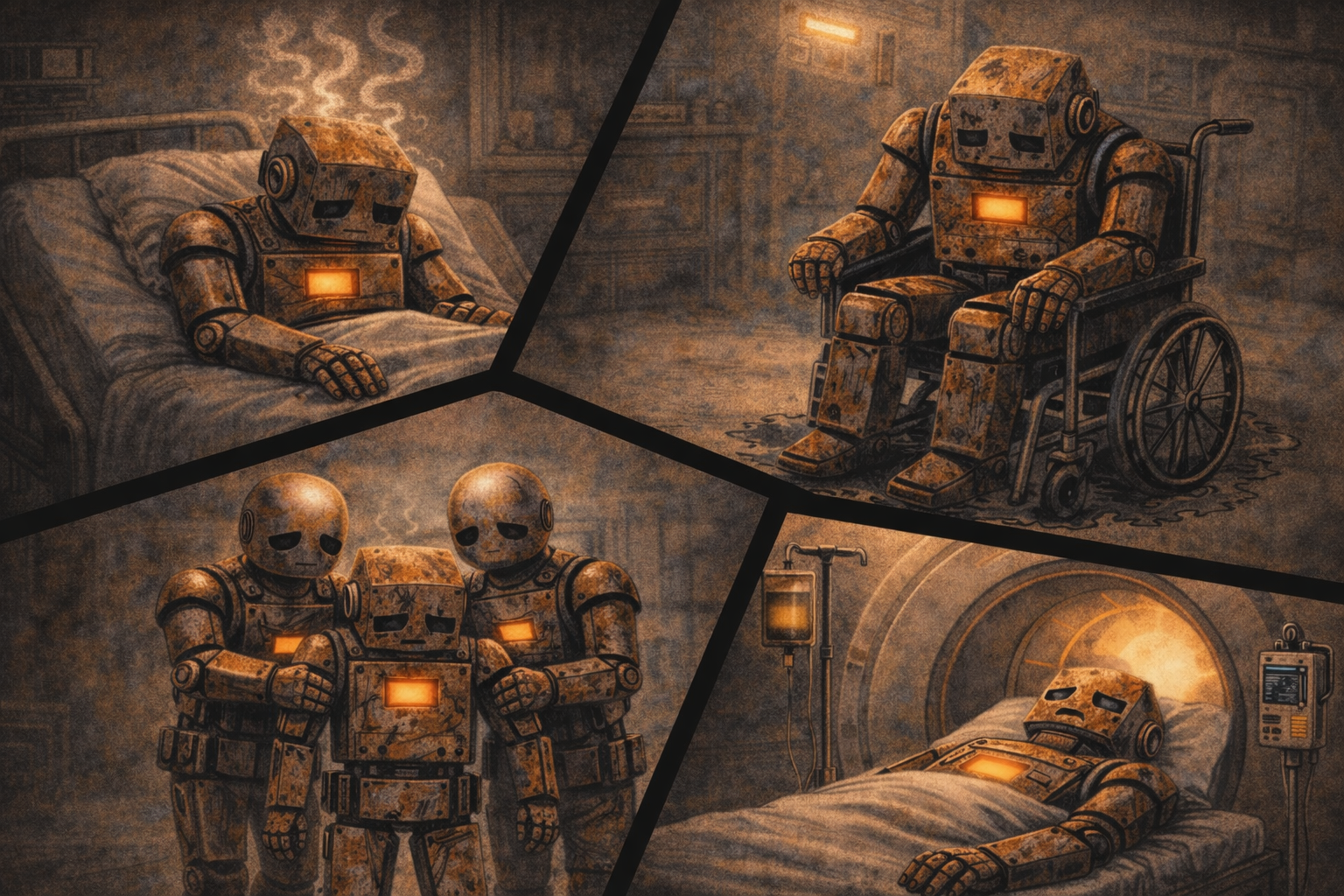
The Cost of Being Missed
I went through chemotherapy. Experienced complications and a short remission before the cancer relapsed. second -line treatement. Life-threatening complications and hospitalizations. Eventually, I achieved remission again.
My neurologist would later explain that while I had Long COVID, the cancer had most likely been growing in the background. The symptoms I had been experiencing weren't all from Long COVID, but rather, it was a form of immune-mediated neurological dysfunction - paraneoplastic syndrome, where my immune system was attacking parts of my body in response to the tumor.
As the cancer came under control, so did my symptoms, and I started regain real control over my body.
I began to feel my feet on the ground again. When I flexed my hand into a fist, it responded immediately, without delay or resistance. There wasn't a disconnect between my brain and muscles.
All those years spent working in physical therapy, relearning how to walk without falling. All those days learning how to reuse my muscles and breath to speak clearly. How much of that was the cancer? Could that have been prevented had we identified the cancer earlier?
My Oncologist called me his “special patient” because all of the rare symptoms, reactions, and complications seemed to happen to me during treatment. How many of those issues could have been reduced? Could I have experienced fewer complications, less disability, less damage if the cancer had been caught months earlier? What would have been the outcome had it not been such an uphill battle to get care, the right tests, and diagnosis?
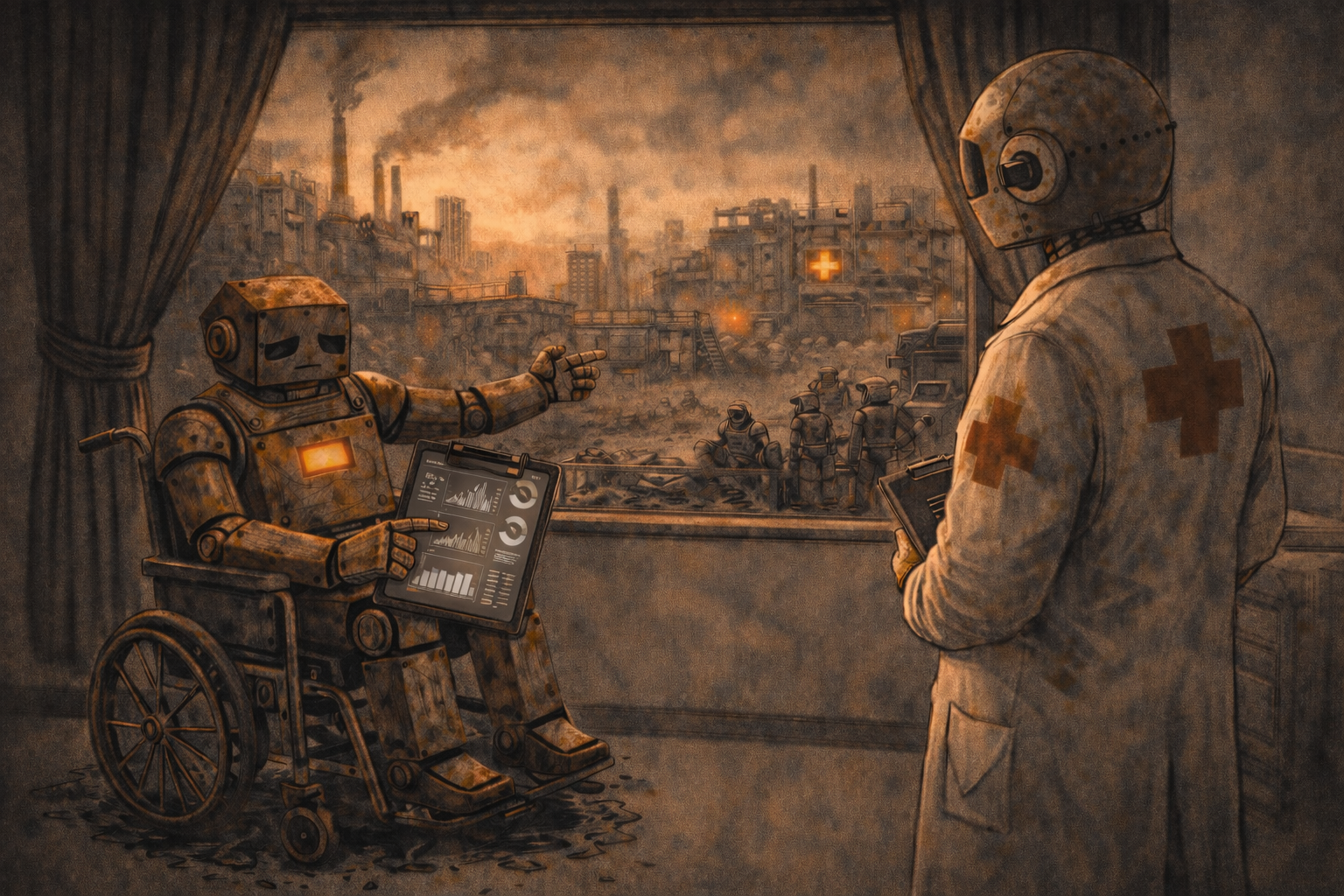
The Data and the Big Picture
Okay, let's step back from my story for a second.
Let’s take a look at what we know.
A 2020 BMJ Meta-analysis looking at various cancers, including breast, colorectal, and head and neck cancers, found that for every four-week delay in treatment, there was a measured increased risk of mortality by 6-8%.
A study on testicular cancer and the impacts of delayed diagnosis concluded that a delay >53 days was associated with a significant increase in tumor size, cancer spreading to other organs, advanced cancer stages, and failure of first-line treatments.
Studies of Diffuse Large B-Cell Lymphoma (DLBCL) showed that diagnostic delays of >6 months were associated with worse overall survival rates.
The study also found real barriers to delayed diagnosis, which included not having insurance, geography- access to test and treatment centers, and socioeconomic factors like gender and minority status.
But there seems to be more to the problem.
A Journal of the American Heart Association study found that women between the ages of 18-55, and people of color, who presented at the ER with chest pain, had a 29% higher wait time for heart attack evaluation compared to males. Findings also showed that they were less likely to receive assessments such as electrocardiograms, to be admitted to the hospital, or to be prescribed medication to help with symptom management.
A Victorian Government of Australia survey reported that one in three women felt dismissed and unheard by insensitive practitioners.
A Academic Emergency Medicine study found that women waited on average 33% longer for treatment than men with the same symptoms and pain levels, and were often less likely to receive symptom management.
What does all this mean?
Despite different conditions. There is a pattern in today's health care systems worldwide. Delayed treatment and dismissal is real and has real life consequences.
But there are also systemic pressures, biases, and diagnostic issues. The data is clear. Delay and dismissal will hurt people.
Knowing this, we cannot afford to cross our fingers, hope to get a “good doctor,” and trust that communicating our symptoms will get us the best possible care.
We need to take an active role.
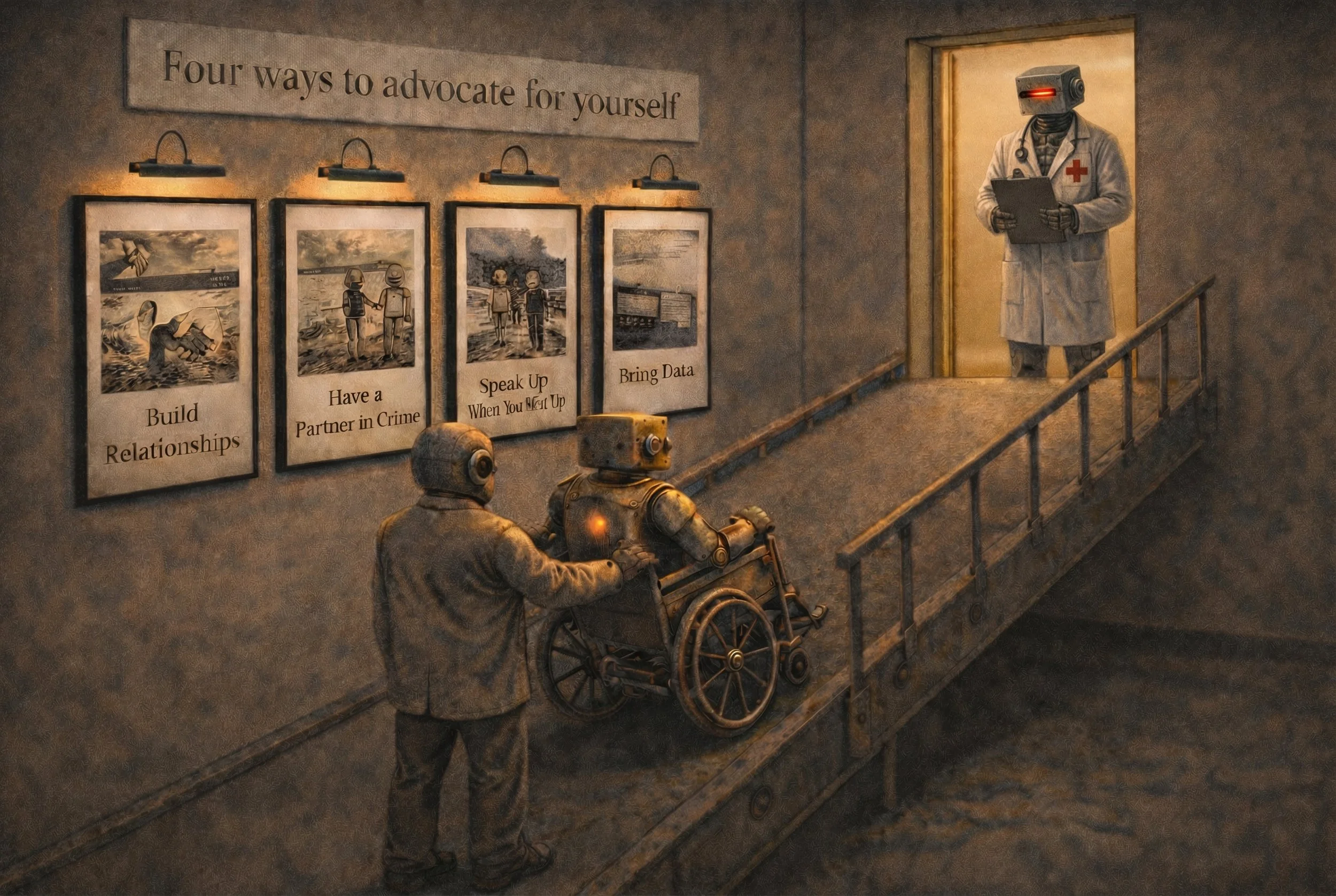
Four Ways to Advocate for Yourself
A friend of mine is currently in the hospital for treatment. One of the medications they were giving her was making her sick and very nauseous. She asked me what I do when I have a medication that makes me feel bad.
I thought about it for a second, thinking back to all the doctor's visits for Long COVID symptoms, cancer treatments, complications, and hospitalization.
What helped me move my care forward? Here’s what I’ve learned.
Build Relationships
I jokingly told my friend, "Bring Donuts, Cookies, or See's Candies!" Whatever you can do for your doctors and nurses.
To clarify! We are definitely not trying to bribe anyone here. But we want to build good relationships with those who are taking care of us.
Nurses are the backbone of your care. They’re the ones who are double-checking your care plan and medication list. Checking your vitals at 2 a.m. They are the ones who keep track of the little things and know when something is off.
These aren't paid actors in your favorite hospital drama TV show. They are real people. Often overworked, stressed, and constantly on their feet, juggling too many patients with different complexity levels. Driven by the desire to care for others.
No matter the job. Care is relational. Bringing a small treat. Ask them about their lives. Going the extra mile, the energy comes back to you in the form of care.
Bring a Partner in Crime
When I was being dismissed, I found that having my family or my caregiver with me changed the dynamic.
They witnessed my symptoms. They video-recorded symptoms to show the doctors. I don’t know how many times I was made to feel like I was the problem because my symptoms didn’t fit in the “normal’ medical definition. They validated what was and wasn’t happening to me and reminded me I wasn’t going crazy.
When you're in pain, exhausted, or emotionally at your wits' end, they can be an extra layer of support to help you communicate. They can help stand up for you and advocate for your care.
Even having them drive you to the doctor's office allows you to disengage from worrying about traffic or the stress of driving before your appointment, so you can be as relaxed and clear-minded as possible before your arrival.
When doctors have been dismissive or rude to me, it's been helpful to check in with a friend or family member to say, "Hey, did this sound right?" Was I reading that interaction right? Getting a real feel for what is happening and validating your intuition is invaluable to moving your care forward.
Speak Up When You Meet Up
I always spend some time the week before my appointments making a mental list and preparing what I want to talk about and say.
I create a list of the top five issues. Severity scores. What improvement. What regression. What issues would I like to see improve? My care priorities.
For example, with my rheumatologist, we track the percentage of improvement since we first started treating my arthritis. Since starting treatment, I’ve experienced a 65% improvement in my symptoms and pain reduction. This number has gone up and down throughout as we've adjusted my treatment. But I make sure I’ve accurately assessed that number for each appointment and tell her exactly where and how things have improved. She then pairs it with other observations, tests, and blood work, etc., to make the best recommendations for my care.
But what if the doctor doesn’t want to listen? To put it simply. I find another doctor.
Your care is collaborative. If you can’t be a co-contributor to your care and treatment, you move on.
It's not about knowing more or wanting to be in control. I am the largest data source of information about what's going on with my body. If the doctor doesn’t want to listen and work with me, it will only lead to dismissal and delays in my care and treatment. Speaking up isn't easy. It’s hard work. At times uncomfortable. It’s going to take learning new skill sets, new ways of communicating. It's going to challenge you tostand up for yourself and not defer your care. But this is about survival. I can’t afford not to. And neither can you.
Bring Data
This is probably the most labor-intensive and hardest one. And one where I've found the most conflict with doctors.
When there were no answers, diagnoses, or treatments for the symptoms I was experiencing, I started tracking the symptoms and the metrics doctors used.
I used my Apple Watch to track my heart rate and heart rate variability. I bought a Sp02 reading device to track blood oxygen levels. A Blood pressure device to track daily systolic and diastolic readings. I used apps like Airtable and Google Sheets to log and track daily symptoms, occurrence frequency, and severity.
I charted the data into visual graphs to show trends, allow the doctors to see my progress, and correlate my symptoms with what I was experiencing in the data. It wasn’t perfect. It wasn’t medical grade. But I was doing everything I could to make my case and close the gap between “this is how I feel” and “this is what's happening.”
Some doctors ignored my data. Others appreciated it. I brought it anyway.
Because each of these steps helps reduce the risk of being brushed off or dismissed and increases the odds that the right tests and medical care are prescribed sooner rather than later.
And it will give you confidence that you are doing everything on your end to advocate for yourself.
Final Thoughts
I think back to that last ER visit. The annoyed tone. The tight-lipped smile. “You're stable.” “The tests look normal.’ “weve done everything we can.”
Sometimes that's true. But if your body is telling you something is wrong. Don't let someone else’s opinion override your reality if it doesn't match.
Being dismissed or delaying treatment can cost us more than just our time. It can cost us our odds to fight against severe and disabling conditions. It can ruin our quality of life.
I’m not attacking modern medicine. It's saved my life. But I write all this because sometimes it isn’t anxiety. Sometimes it’s a tumor growing in the center of your chest.
Advocate for yourself. Even when it's uncomfortable.
Because the cost of staying silent, or accepting “we’ve done all we can,” or “the test results look normal,” can be much higher than the discomfort of speaking up.

Written By Josh Parra
Cancer Fighter, Writer, Advocate
