Phone A Friend: Managing Cancer Information

The First Flood of Information
After my biopsy, once the doctors gave me my official diagnosis and left my hospital room, I reached for my phone, tapped the side button, let Face ID scan my face, selected the Google Chrome app, and immediately began searching the web. I read everything I could find about my cancer and its prognosis.
At the time, my case was already complicated. The cancer had metastasized. I was in critical care at the hospital. On high doses of steroids, dealing with pneumonia, a collapsed lung, and the need for supplemental oxygen. Fluid was building around my heart, causing cardiac issues. The large tumor growing in the center of my chest was restricting a major vein to my brain, leading to severe headaches and reduced oxygenated blood flow.
The doctors told me plainly: If I didn’t start treatment immediately, I would die.
I had been sharing my journey through long COVID online for several years and had built a following of over 80,000 people on TikTok. When I shared that I now had cancer, the response was incredible. One video passed a million views almost overnight. Thousands of messages poured in. People sending their support, prayers, and encouragement from all over the world.
Mixed in with that were comments written in what I could only interpret as a reassuring tone: “Oh, you got the good cancer.”
I was confused. From where I was sitting, hooked to monitors, struggling to breathe. Getting ready to start chemotherapy, nicknamed the “Red Devil,” having just signed a DNR and been told the treatment could destroy my fertility, things didn’t feel optimistic.
My cancer was rare and aggressive. But statistically, it had good odds. Very good odds. First-line treatment showed a survival rate of around 80-90%. That number became everything to me.
I stayed up late reading medical journal articles and treatment studies on every online medical library I could access. Combing through protocols and outcomes. The statistical data, P-values, sample sizes, confidence intervals, age ranges, response rates, and exclusionary criteria. Trying to establish my own confidence in that survival rate.
That number mattered more than a simple study of treatment outcomes. As I learned more about my cancer, I tried to turn the information and data into statistical hope. Maybe It wouldnt be so hard to take this treatment, reach remission, and get back to living my life. Maybe there was a version of cancer cases in which this was just a minor interruption. Not a permanent one.

The Stats Problem
The survivability rate became the number I couldn’t stop thinking about.
It wasn’t just a statistic from some online study I had read anymore. It was a promise. If the odds were that good, then I just had to endure. Take the pain, nausea, fear, and uncertainty, and deal with them.
But fixating on this did something else quietly in the background. It was a question I didn’t even consider, or maybe I tried to block it out and only focus on what I wanted to. If the majority made it through first-line treatment, then what does it mean if you fall outside the curve?
Without realizing it, I had begun to measure my life and journey through cancer against a dataset, and on the more favorable side at that. As treatment became more difficult, I began to experience complications; every setback felt heavier than it should have.
Nearly every time I would get back home from the hospital, I would land back in the ER with a complication, sometimes for days.
Doctors told me I was having a poor reaction, I was experiencing toxicity build-up, my blood labs were off, and I was experiencing rare complications. It felt like every anomaly wasn’t supposed to be happening to me. It started to feel unfair.
I started questioning myself. Was I doing something wrong? Was there something wrong with me? Was I doing cancer “wrong”?
Despite a short period of remission. A moment where I thought I had won. But “No active cancer cells” quickly turned into “active” and “growing.” Recurrences felt like defeat. Failure of myself and my body to achieve what the numbers told me was my most probable outcome. Or had it?
Over Christmas, before starting second-line treatment, I went back to the studies, but now I was looking at the other side of the data set. The 10-15% who failed first-line treatment. What were their outcomes like? The two-year progression-free survival rate hovered around 30%.
If I believed the 80-90% before, do I now have to believe this, too?
Had my odds just collapsed? Was this my last Christmas? Would I survive another year of treatment? The Red Devil had already taken so much out of me. I didn’t know how much gas I had left in the tank.
I needed some hope.

Phone A Friend
At the beginning of my cancer diagnosis, I started following Hank Green on TikTok. He had been diagnosed with Hodgkin’s Lymphoma not long before my diagnosis. I watched him go through treatment publicly, thoughtfully, and honestly. Without the emotional weight of pretending data was his guarantee of surviving cancer.
When I later reached out to him with questions about dealing with cancer information, medical studies, and statistics, his response reframed something I had been struggling to articulate:.
“Statistics are based on big collections of people, and people are all pretty different from each other. If you group a bunch of them to put out information, that’s useful, but it isn’t destiny.”
This had been the thing I had struggled with. I had treated the outcomes of those studies and said, 'This is promised to me.' Not taking into account that I represented one of the many collections of people. What I hadn’t accounted for was the fact that I wasn’t an average case to begin with, having a background full of comorbidities from my Long COVID issues.
That said, the odds could be significantly better than 30% for recurrence due to the advances modern medicine continues to make.
Hank continued to reaffirm this point: “The second reason statistics might look worse than they are is because they are, almost by definition, old information. You can only get a number for ‘five-year progression-free survival’ after five years. But in those five years, science has continued to march on.”
I had been anchoring my entire fight and expectations in data describing the past, while trying to survive in the present. This was entirely unfair to myself, my journey, and a serious drag on my mental health and outlook. I seemed to have been looking at these studies all wrong.
Hank’s last comment was like a light bulb moment above my head: “The reason statistics can be misleading is because you are not a group of people. If the odds of something are 50/50, that thing doesn't happen to you halfway; it happens 100% or 0%.”
Now it started to make sense. What I had been forced to confront over my cancer journey and through recurrence was not that I had failed at fighting cancer or my body had. But I had misinterpreted the science.

Living Outside The Curve
“Illness is not about the ultimate outcome, it's about what’s happening today… Treatment is about the regular, everyday wins and losses of managing symptoms and side effects,” Hank Green told me.
That stopped me cold.
I realized I had been trying ot live at the end of the story instead of inside of it. I had treated a statistical number as a destination when it was never meant to be anything more than a reference point.
What I wasn’t considering was where each person in that study started. Their age. Their ethnicity. Their stage. Their comorbidities. Their baseline health. Their mental health. Their ability to adapt. Each one of those variables could change their trajectory, and none of them are cleanly captured on a survival curve.
It began shifting my perspective and thought process. I began to understand that statistics didn't promise an outcome. But it could help raise flag risks. Indicators that could tell us the probability of where we were heading, and where we weren't if the variables didn't align.
Once I understood that, my relationship with the data and these studies changed. Instead of using it to predict my fight with cancer, I started using it to guide my behavior. If certain variables caused certain outcomes, then I needed to counteract them when possible to give myself the best chance.
So I focused on getting stronger, staying fit and healthy, avoiding unnecessary weight gain, and prioritizing my heart health. I would wear a mask in public when my immune system is down and avoid unnecessary risks. I stopped waiting for treatment to hand me an outcome and started playing an active role in shaping it.
Statistics are good. Medical studies are essential. We need them to move medicine forward, save lives, and give cancer fighters more chances against variables they can’t control.
But studies and their data are not a promise of survival or hope. As hard as it is to accept, my hope comes from God. From myself. From the love and support of those walking alongside me. And from modern medicine, doing it’s best.
I see the numbers differently now. As tools. As indicators to check in and measure my progress against. not something to sit back and wait on.
While this new perspective and understanding haven’t erased my fears or anxieties. It has given me something better. A way to stay engaged in my own life. A reason to keep fighting, not just surviving. And a way to continue living and growing as my story is still unfolding with many more chapters ahead.
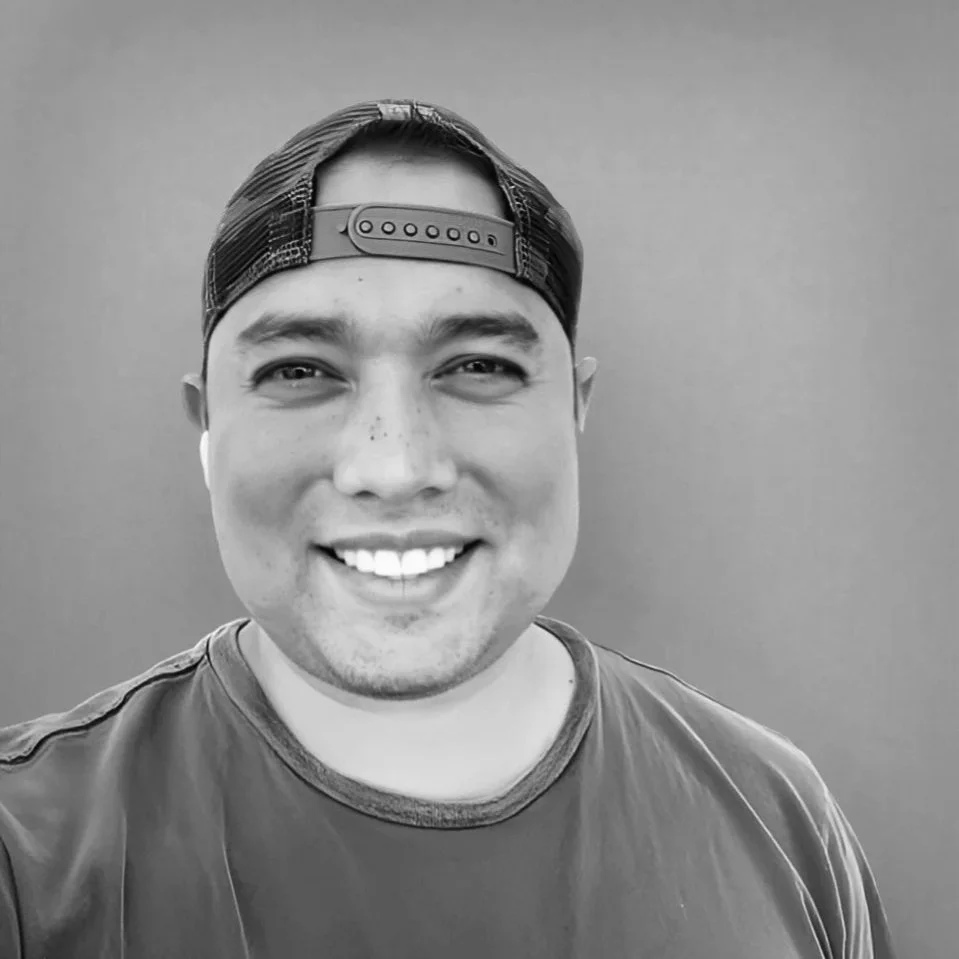
Written By Josh Parra
Cancer Fighter, Writer, Advocate
